Dust, stale air, and a kitchen that smells faintly of last Tuesday's lunch aren't just aesthetic problems — they chip away at mood in ways nobody logs anywhere. A workplace that's properly looked after sends employees the same quiet signal it sends visitors: someone cares about this space, and by extension, about you. Small thing. Compounds fast.
None of this shows up as a line item. Nobody's tracking "reduced low-grade irritation caused by a grim microwave" in a spreadsheet. But talk to anyone who's worked in a properly maintained office versus a neglected one, and they'll tell you: the room shapes the mood far more than anyone expects.
Good cleaning was never just about impressing visitors. It's one of the cheapest, most under-discussed ways to make a workplace actually feel like somewhere worth being.

"Sustainability" gets used to describe almost anything these days, most of it more branding than practice. So here's a less exciting but more honest way to put it: nothing we clear from our clients' buildings goes to landfill. Not some of it. None of it.
Read article
Most people never meet the team who keeps their office spotless. They arrive after everyone's gone home, or before anyone's arrived, and by the time the building fills up, the evidence of their work is everywhere and they are nowhere. That's sort of the job description.
Read article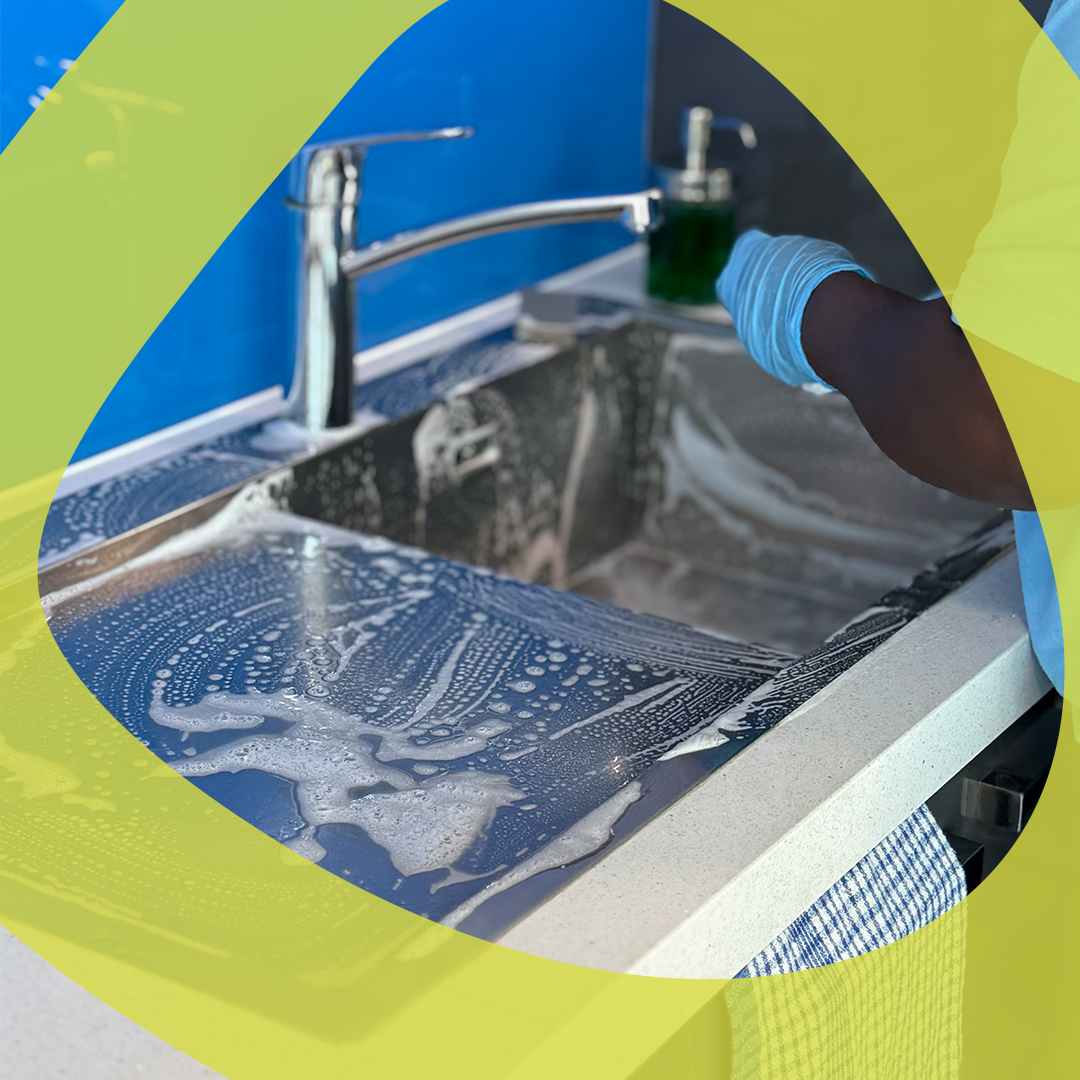
There's a version of "office cleaning" that lives entirely on the surface —tidy desks, empty bins. That's real, and it matters. But there's a quieter layer underneath that almost nobody talks about: the actual link between a well-kept space and how people feel showing up to it every day.
Read article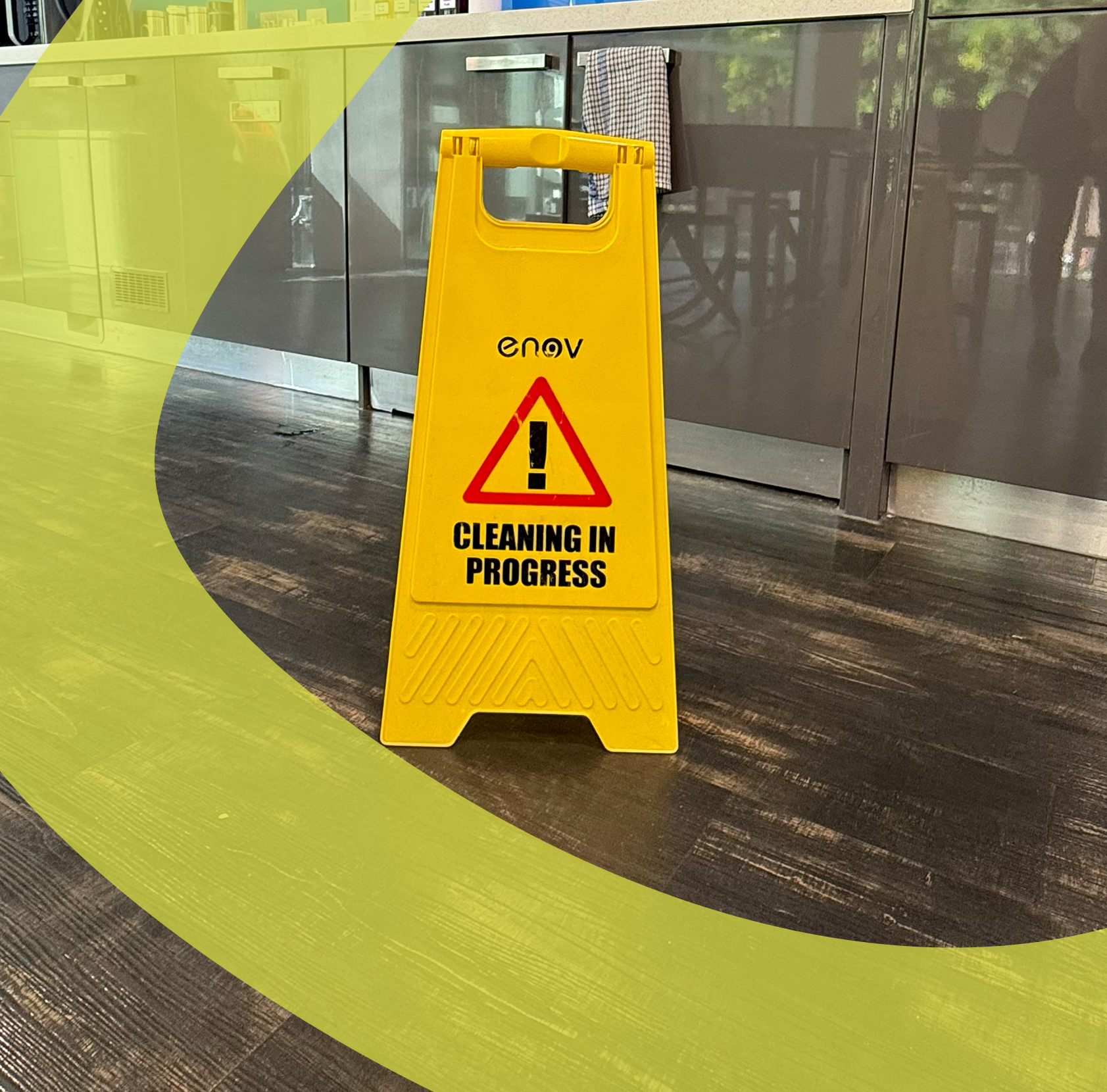
It's tempting to treat commercial cleaning like toilet roll — grab whichever one's cheapest, tick the box, move on with your life. The problem is commodities are, by definition, interchangeable. Cleaning companies very much are not, no matter what the identical-looking quotes suggest.
Read article
