The gap between a great contractor and a mediocre one never shows up on the proposal. It shows up three months in, in the small print of real life: whether the same faces turn up, whether problems get solved before you even notice them, and whether "included" actually means included, or just meant "included, technically, if you squint."
Buying processes are built to compare price, which is fair enough — price matters. But price alone misses the thing that actually decides whether a contract works:consistency. That's hard to score on a spreadsheet, so it gets underweighted,right up until it becomes the entire reason the contract gets torn up early.
Treat cleaning like a relationship instead of a commodity, and the real evaluation criteria become obvious: trust, responsiveness, and whether anyone still answers the phone in month eight. Cheapest-first buying optimises for exactly the wrong variable — and everyone finds that out eventually, usually the expensive way.
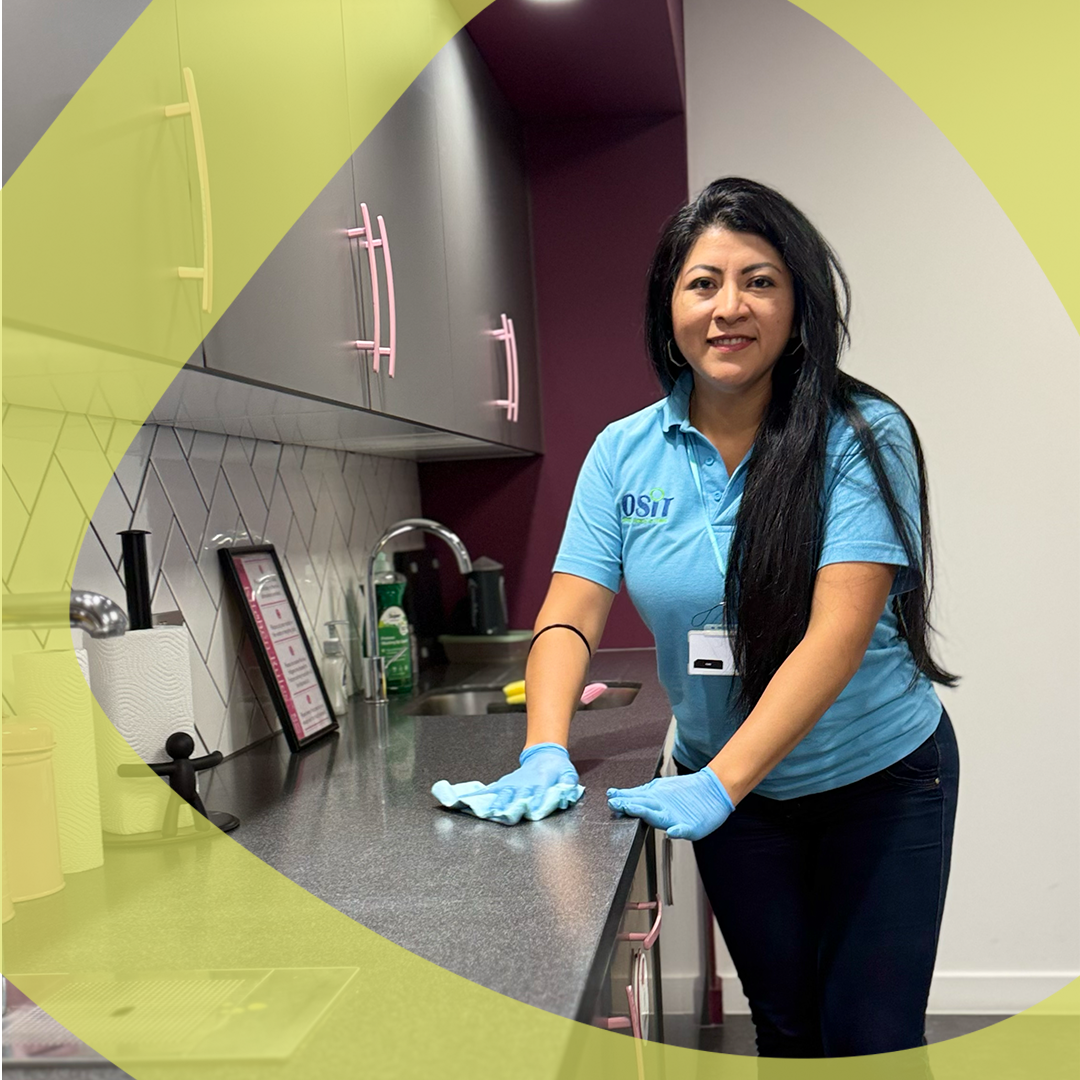
The best contracts are a joy precisely because nothing dramatic ever happens with them. No surprises, no confusion, no fine print to untangle — just clear scope, clear standards, and clear response times, all agreed from day one.
Read article.jpeg)
There's a certain kind of cleaning contractor who says yes to everything, instantly. Extra visit tomorrow? Sure. Deep clean before the board meeting? Absolutely. It sounds brilliant — enthusiasm is nice! — but the providers who really earn your trust are the ones who take a beat and say "here's exactly how we'll make that happen."
Read article
There's an assumption baked into how a lot of people think about cleaning jobs: that they're a stopgap, not a career. We'd like to quietly push back on that.
Read article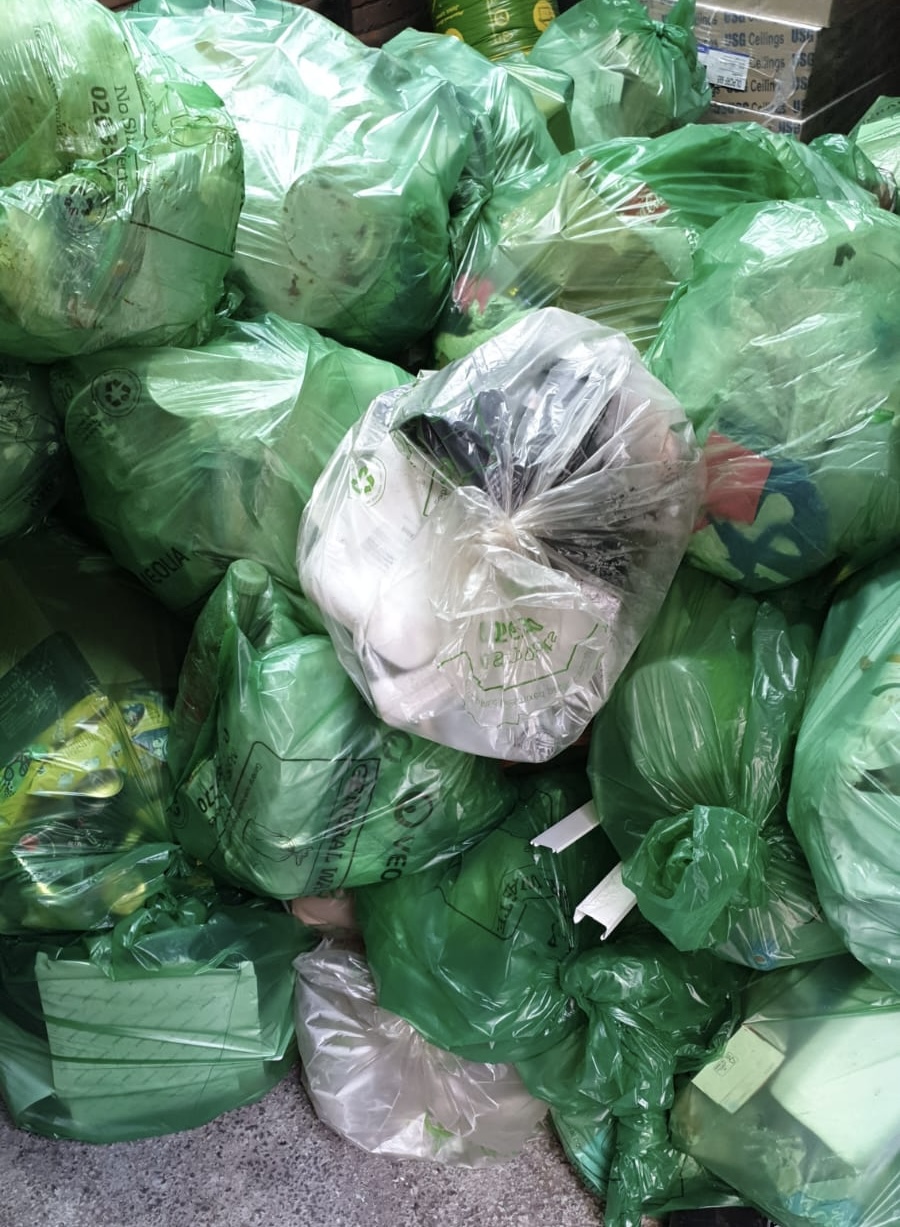
"Sustainability" gets used to describe almost anything these days, most of it more branding than practice. So here's a less exciting but more honest way to put it: nothing we clear from our clients' buildings goes to landfill. Not some of it. None of it.
Read article
