First impressions form in seconds, and almost none of them involve your actual pitch. Before a client hears a single word about your numbers, they've already silently judged the reception carpet, the smudge on the meeting-room glass, and whether that plant is real or a cry for help.
This is the underrated case for taking office cleaning seriously: it was never really about hygiene. It's about signalling. A polished space says "handled" before anyone's opened their mouth. A neglected one raises a question nobody wanted to ask out loud.
Cleaning budgets are usually the first thing to get quietly trimmed — right up until someone important visits and everyone suddenly remembers why they shouldn't have been.
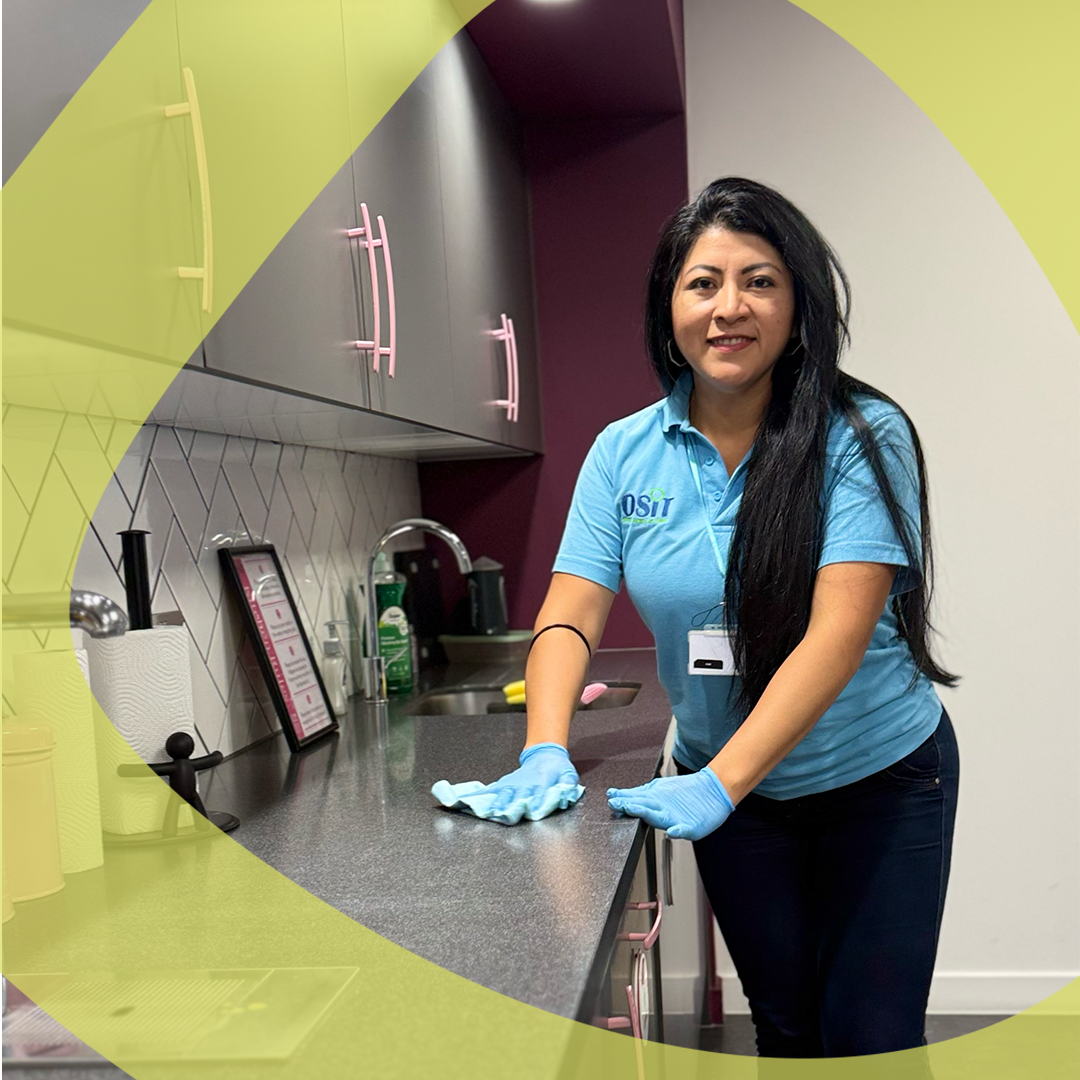
The best contracts are a joy precisely because nothing dramatic ever happens with them. No surprises, no confusion, no fine print to untangle — just clear scope, clear standards, and clear response times, all agreed from day one.
Read article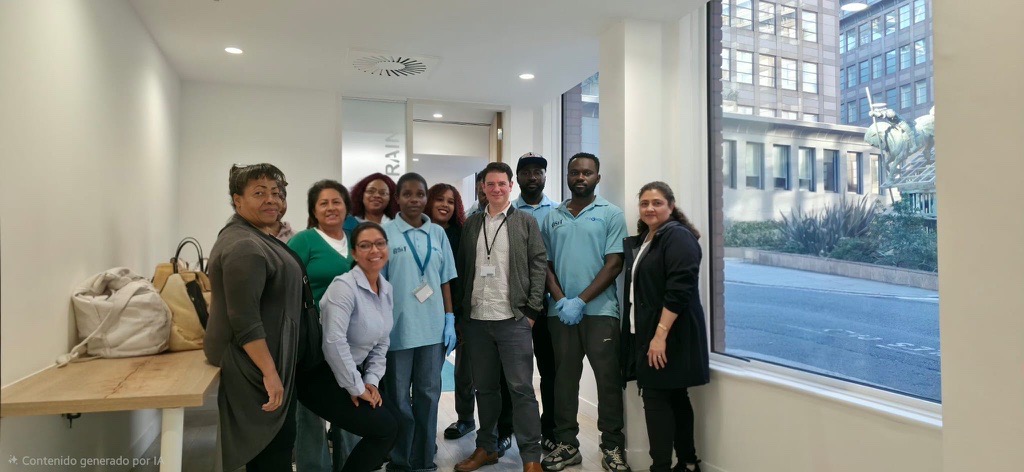
There's a certain kind of cleaning contractor who says yes to everything, instantly. Extra visit tomorrow? Sure. Deep clean before the board meeting? Absolutely. It sounds brilliant — enthusiasm is nice! — but the providers who really earn your trust are the ones who take a beat and say "here's exactly how we'll make that happen."
Read article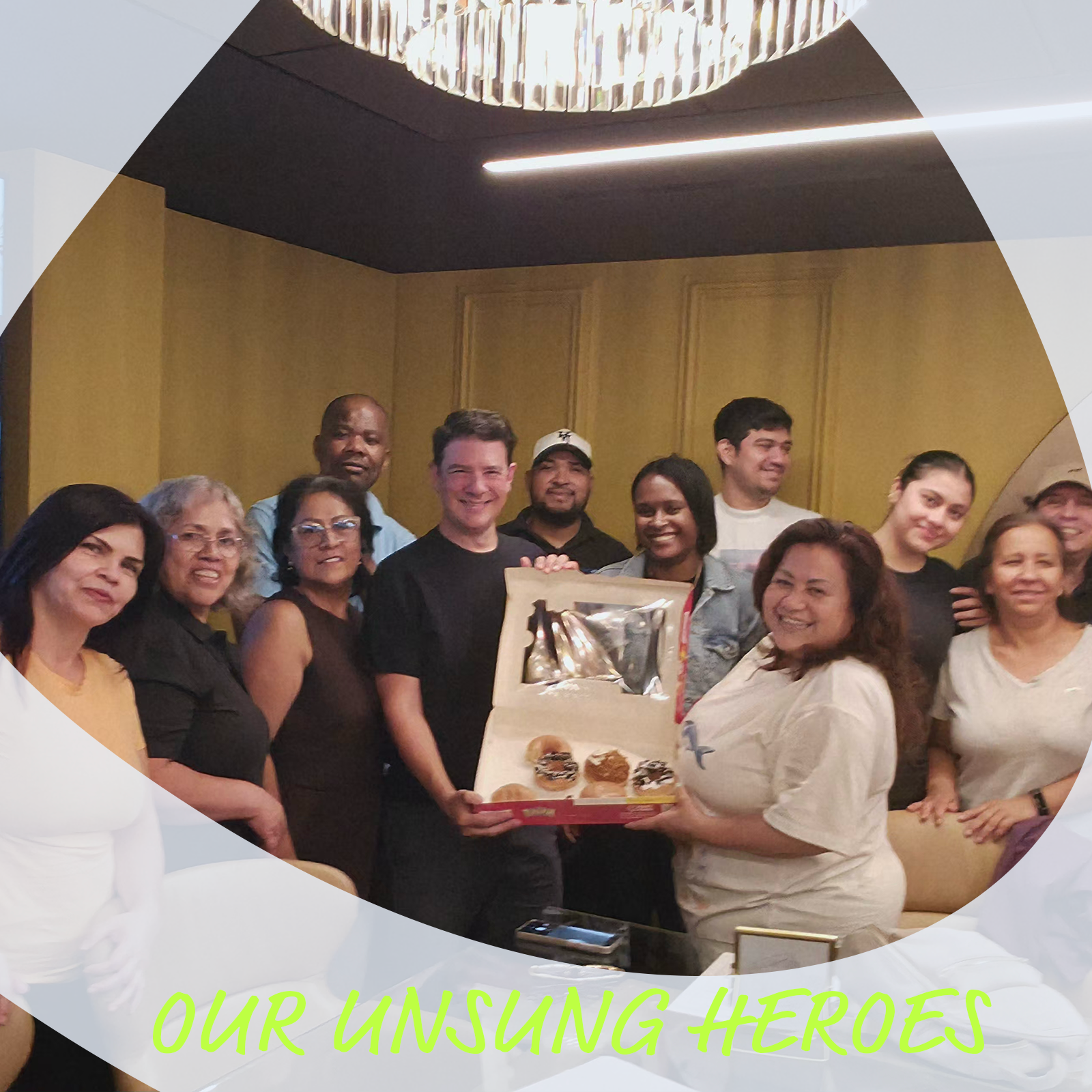
There's an assumption baked into how a lot of people think about cleaning jobs: that they're a stopgap, not a career. We'd like to quietly push back on that.
Read article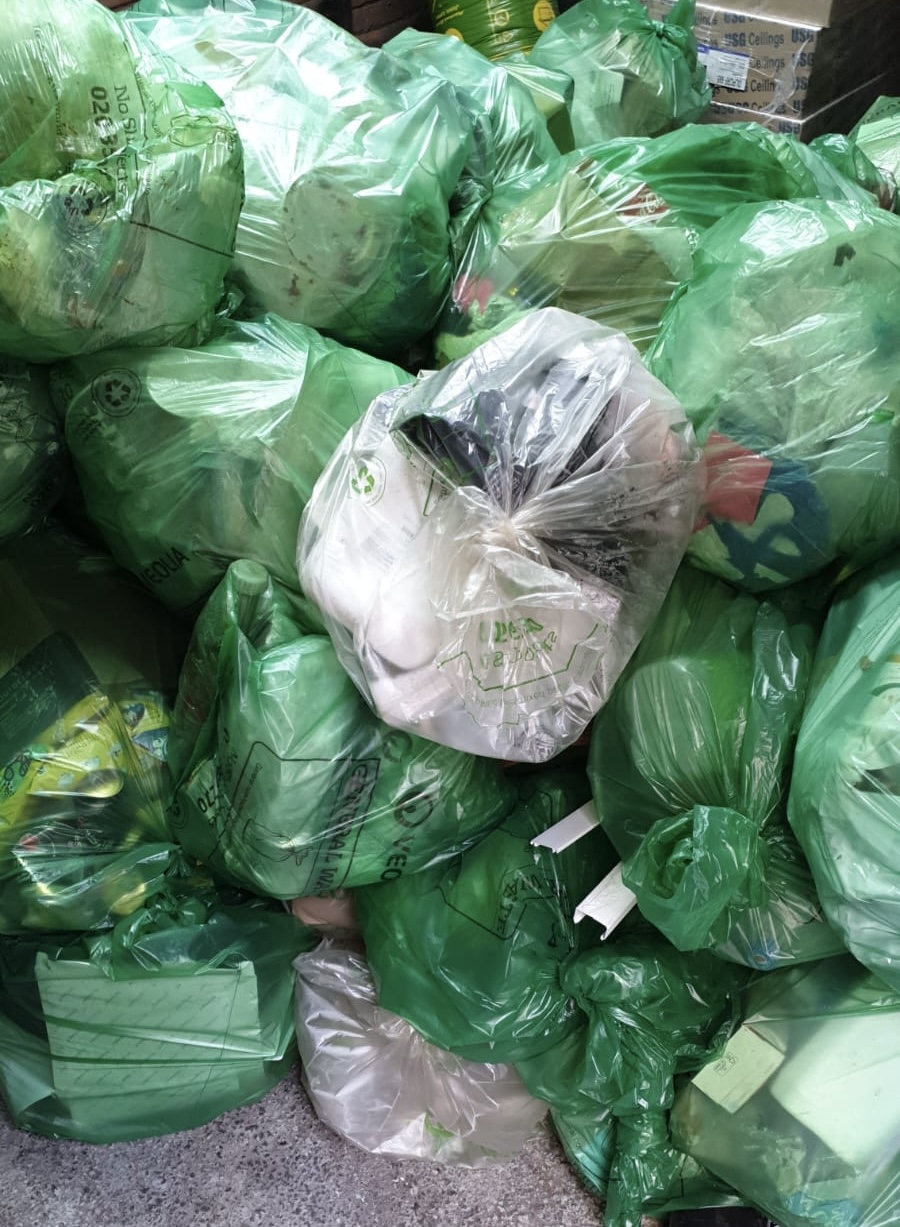
"Sustainability" gets used to describe almost anything these days, most of it more branding than practice. So here's a less exciting but more honest way to put it: nothing we clear from our clients' buildings goes to landfill. Not some of it. None of it.
Read article
