New research from leading workspace cleaning and hygiene firm, OSCFM (Office Space Cleaning Facilities Management), has revealed some of the biggest office hygiene gripes amongst UK workers.
In recent months, concerns around COVID have been blamed for hesitancy among workers to return to the office, but OSCFM’s research suggests that basic hygiene gripes could be the greater obstacle, stopping over a third (36%) from returning.
Most common hygiene gripes
The findings of OSCFM’s survey shed light on the most frustrating hygiene and cleanliness issues for workers across UK offices. Notably, most are concerned with food-related uncleanliness rather than COVID-driven anxiety.
More than a third of respondents identified desks and workstations as the untidiest areas of the office (34%) – with kitchens and washrooms tying for second place (27%). This may come as a surprise to some, but with research finding desks 400 times dirtier than the average toilet seat - with 10 million bacteria on average living on them - this hygienic negligence is a genuine cause for concern.
The top five workplace hygiene gripes are:
A notable mention must also go to the alarming finding that over a third (35.86%) cited colleagues’ poor personal hygiene as a major gripe.
Worst offenders
Survey respondents also voted for the worst offenders of office cleanliness “crimes”. Interestingly, male colleagues were cited as the greatest offenders by nearly a fifth, whilst only 4% of people chose female colleagues. The top five groups were as follows: male colleagues (17%); senior management (12%); full-time office workers (10%); junior team members (9%); female colleagues (4%).
Those in glass houses
While respondents pointed the finger at their fellow workers, a quarter admitting to leaving stacks of used mugs at their desks. Moreover, whilst over half of respondents are frustrated by colleague cleanliness, the majority of people (59%) do not raise workplace hygiene issues with co-workers – perhaps choosing not to throw stones from glass houses.
The results of OSCFM’s survey beg the question as to whether high standards of office etiquette around tidiness and hygiene have been impacted by long term home working during COVID. Regardless, poor workplace hygiene is clearly impacting people’s decision to commute to work. Firms should therefore examine their approach to cleaning if they want a successful return to the office.
James Carver, MD at OSCFM, said: “With our survey revealing that a third of UK workers are put off returning to the office due to cleanliness concerns, businesses should note that improving workplace hygiene can be a significant and often overlooked driver causing employees to choose to work from home.
Untidy workstations and used plates and cutlery being left on desks seem to be the most common hygiene gripes - so workers and employers alike bear the responsibility of keeping their offices clean, for the sake of creating a healthier, more hygienic and productive working environment for all.”
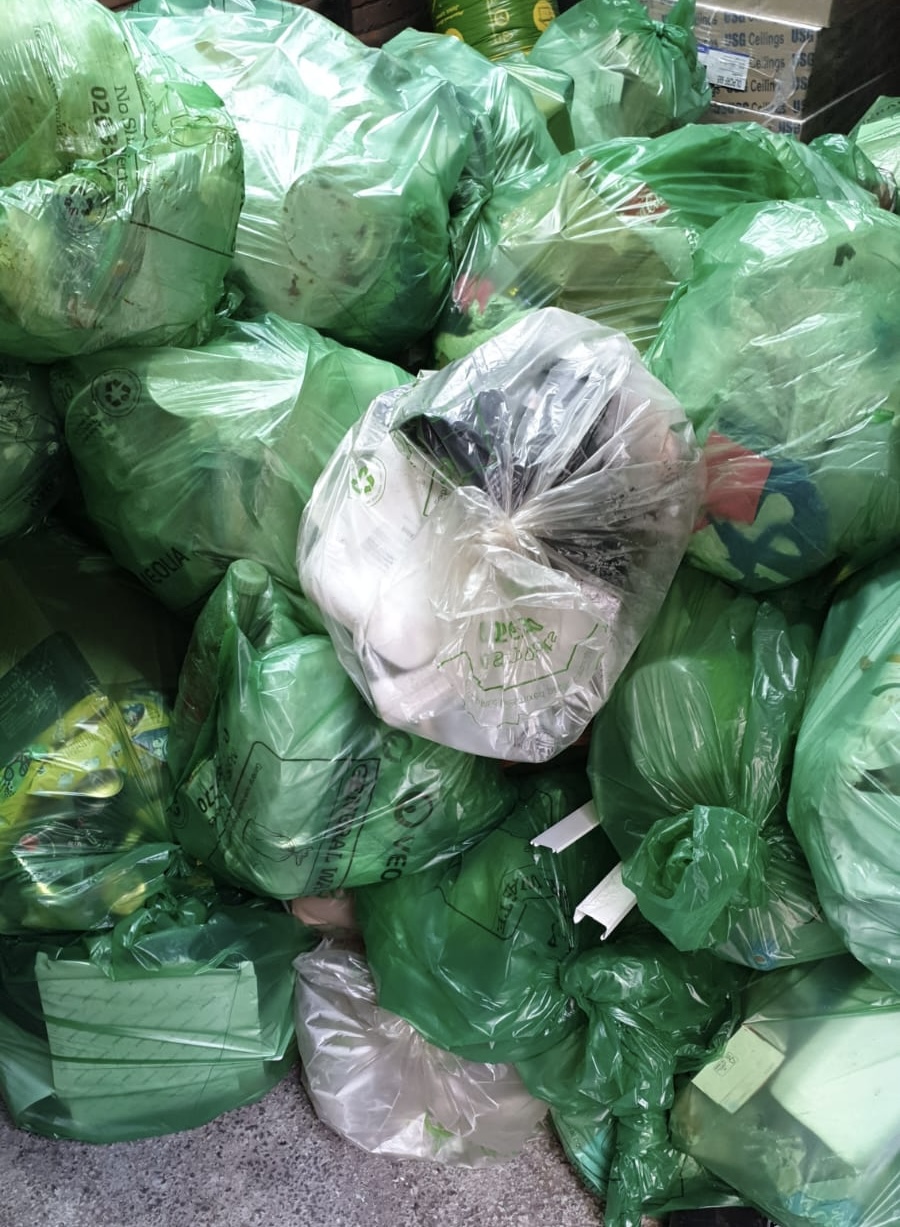
"Sustainability" gets used to describe almost anything these days, most of it more branding than practice. So here's a less exciting but more honest way to put it: nothing we clear from our clients' buildings goes to landfill. Not some of it. None of it.
Read article
Most people never meet the team who keeps their office spotless. They arrive after everyone's gone home, or before anyone's arrived, and by the time the building fills up, the evidence of their work is everywhere and they are nowhere. That's sort of the job description.
Read article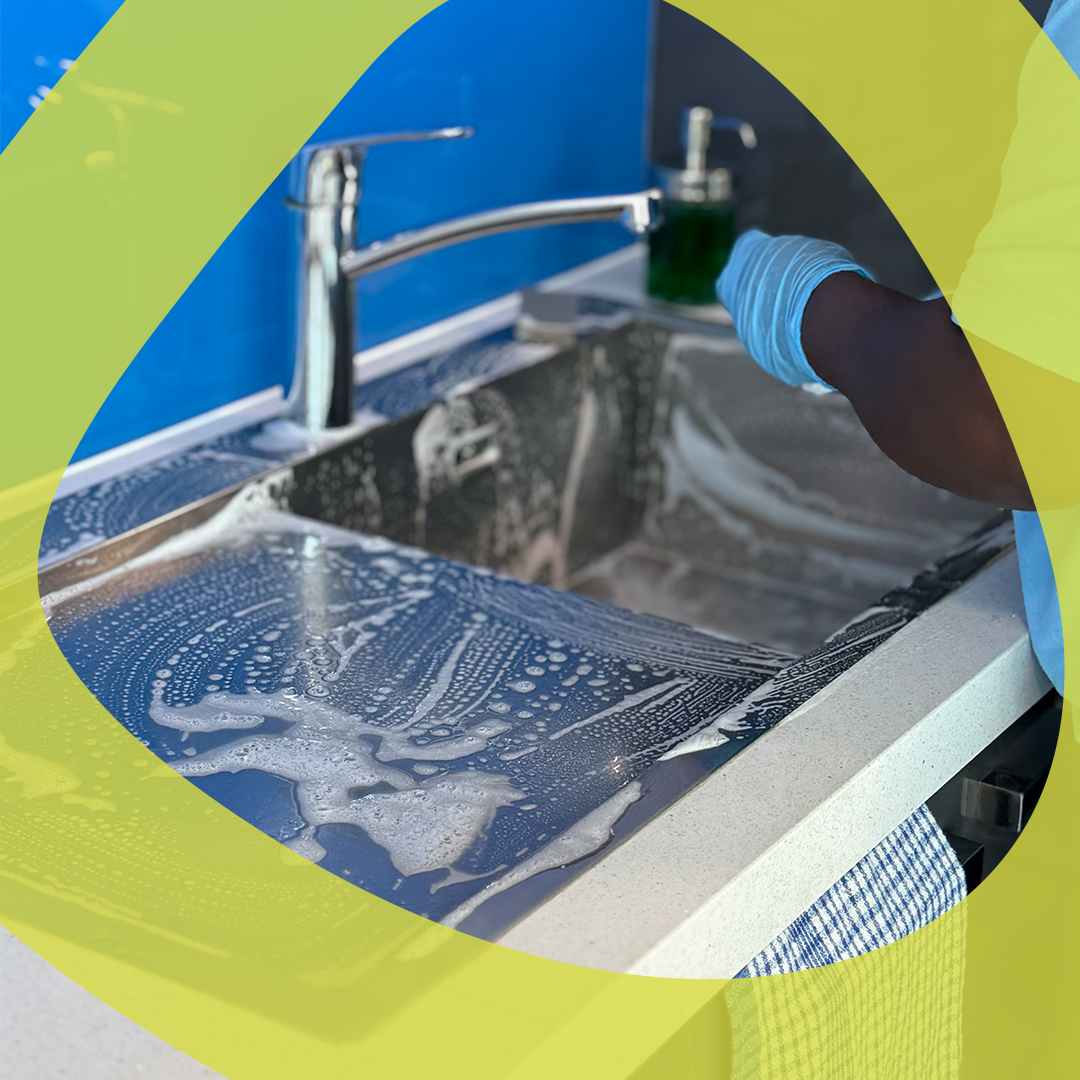
There's a version of "office cleaning" that lives entirely on the surface —tidy desks, empty bins. That's real, and it matters. But there's a quieter layer underneath that almost nobody talks about: the actual link between a well-kept space and how people feel showing up to it every day.
Read article
It's tempting to treat commercial cleaning like toilet roll — grab whichever one's cheapest, tick the box, move on with your life. The problem is commodities are, by definition, interchangeable. Cleaning companies very much are not, no matter what the identical-looking quotes suggest.
Read article
