Whilst hybrid working seemingly meets the demands of workers for greater flexibility, prolonged remote working can create a more disconnected and distracted workforce. To avoid this, employers need to make office working more appealing to their staff.
In a new expert commentary piece for CoStar, OSC’s Managing Director, James Carver, sheds light on why improving workplace cleanliness is critical to getting workers to return to the office.
This piece highlights how office hygiene gripes have only been exacerbated by the pandemic, and that employees now have much higher expectations around the maintenance of workplace facilities.
James points out that whilst employers are implementing a range of strategies – such as workplace experiences - to encourage workers back into the office, the widespread concern around cleanliness should be enough for workplace hygiene to take centre stage in efforts to drive office working.
You can read James’ article in full here

There's an assumption baked into how a lot of people think about cleaning jobs: that they're a stopgap, not a career. We'd like to quietly push back on that.
Read article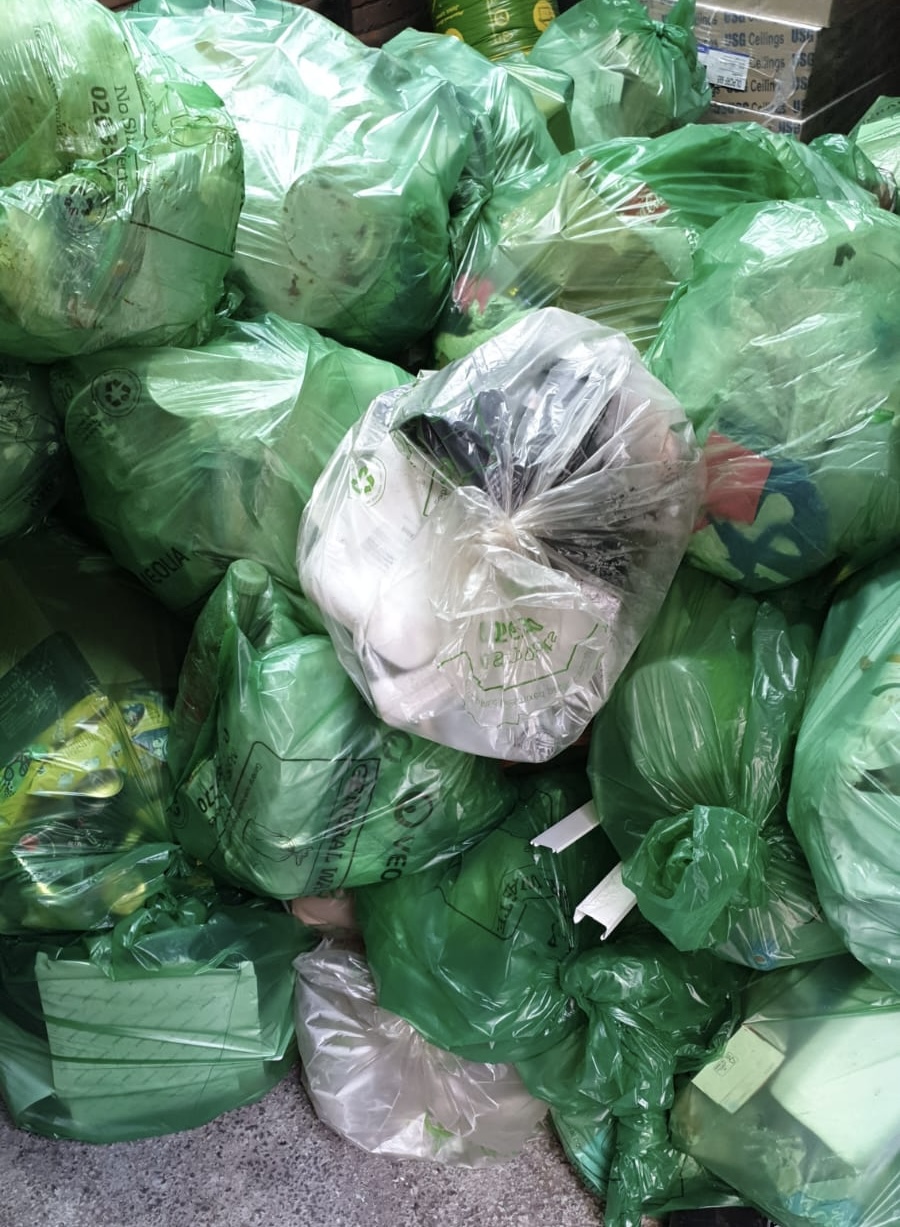
"Sustainability" gets used to describe almost anything these days, most of it more branding than practice. So here's a less exciting but more honest way to put it: nothing we clear from our clients' buildings goes to landfill. Not some of it. None of it.
Read article
Most people never meet the team who keeps their office spotless. They arrive after everyone's gone home, or before anyone's arrived, and by the time the building fills up, the evidence of their work is everywhere and they are nowhere. That's sort of the job description.
Read article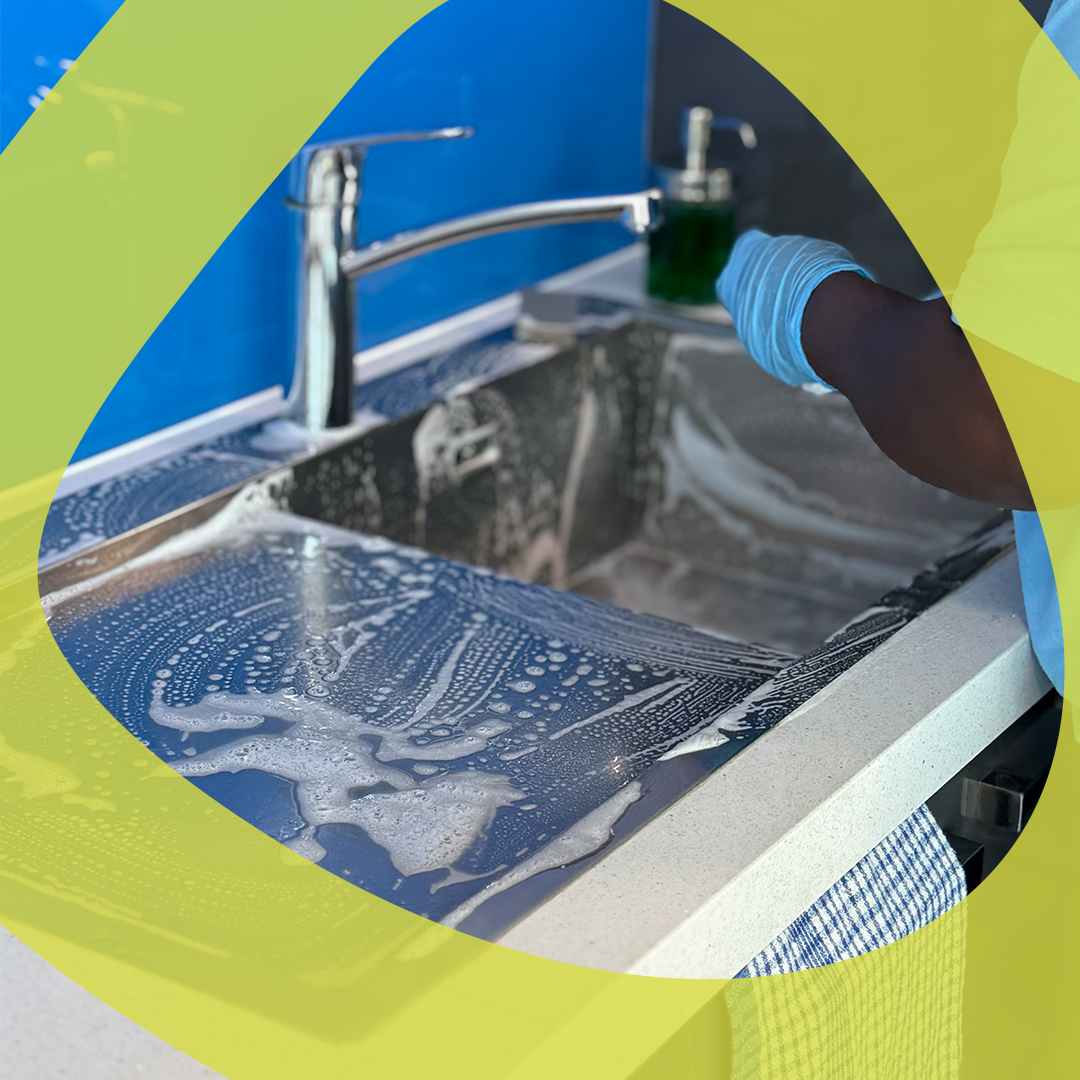
There's a version of "office cleaning" that lives entirely on the surface —tidy desks, empty bins. That's real, and it matters. But there's a quieter layer underneath that almost nobody talks about: the actual link between a well-kept space and how people feel showing up to it every day.
Read article
